DOUBLE LAYER PCB MANUFACTURING
Reliable Double Layer PCB Manufacturing
Stable. Efficient. Cost-Effective.
High-quality double layer (2 layer) printed circuit boards engineered for reliable electrical performance, stable signal transmission, and consistent manufacturing quality in industrial electronics, automation systems, power supplies, and consumer electronic applications.
- Reliable Electrical Performance
- Stable Signal Transmission
- Cost-Effective PCB Solution
- Ideal for Industrial Electronics
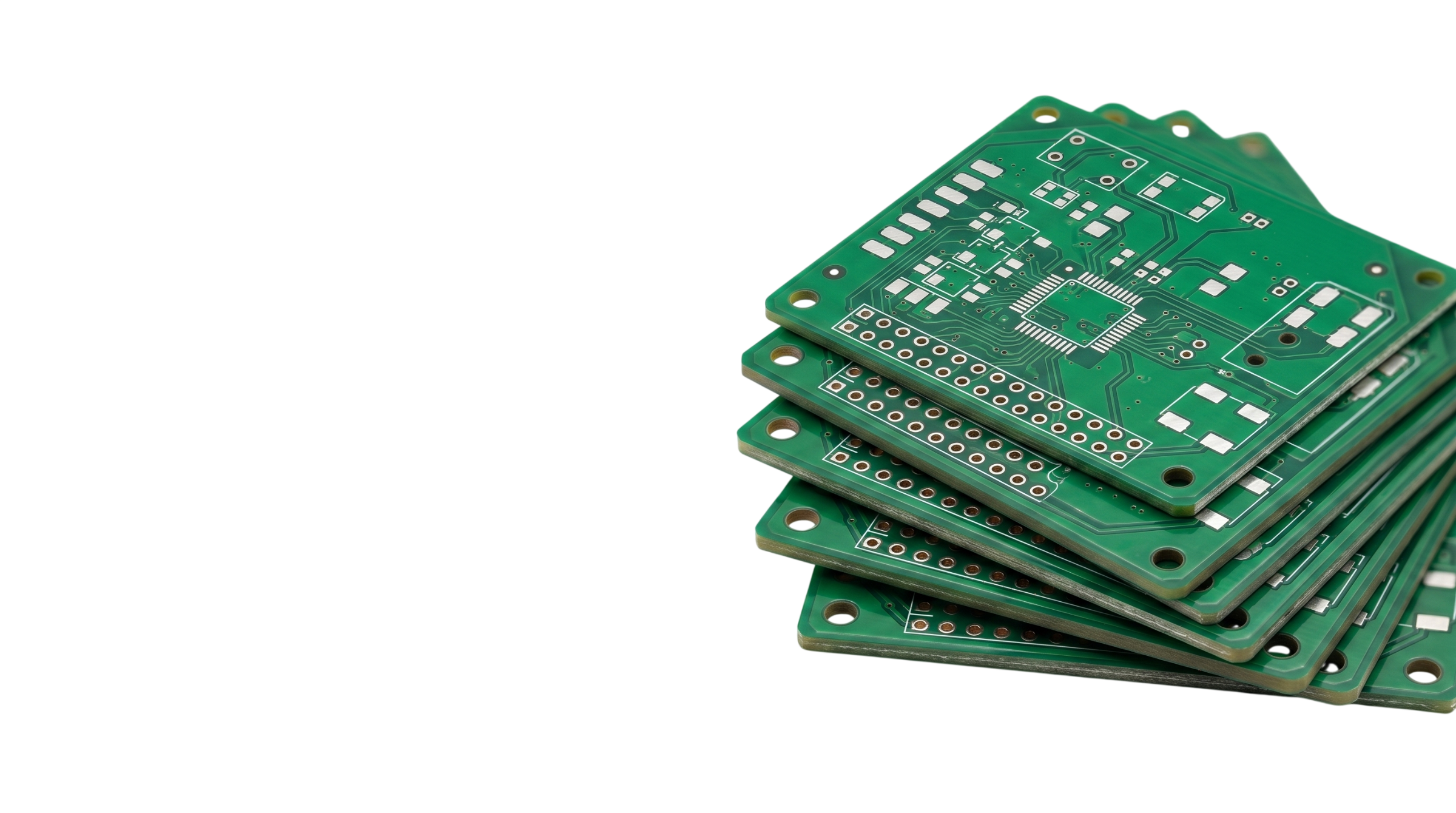
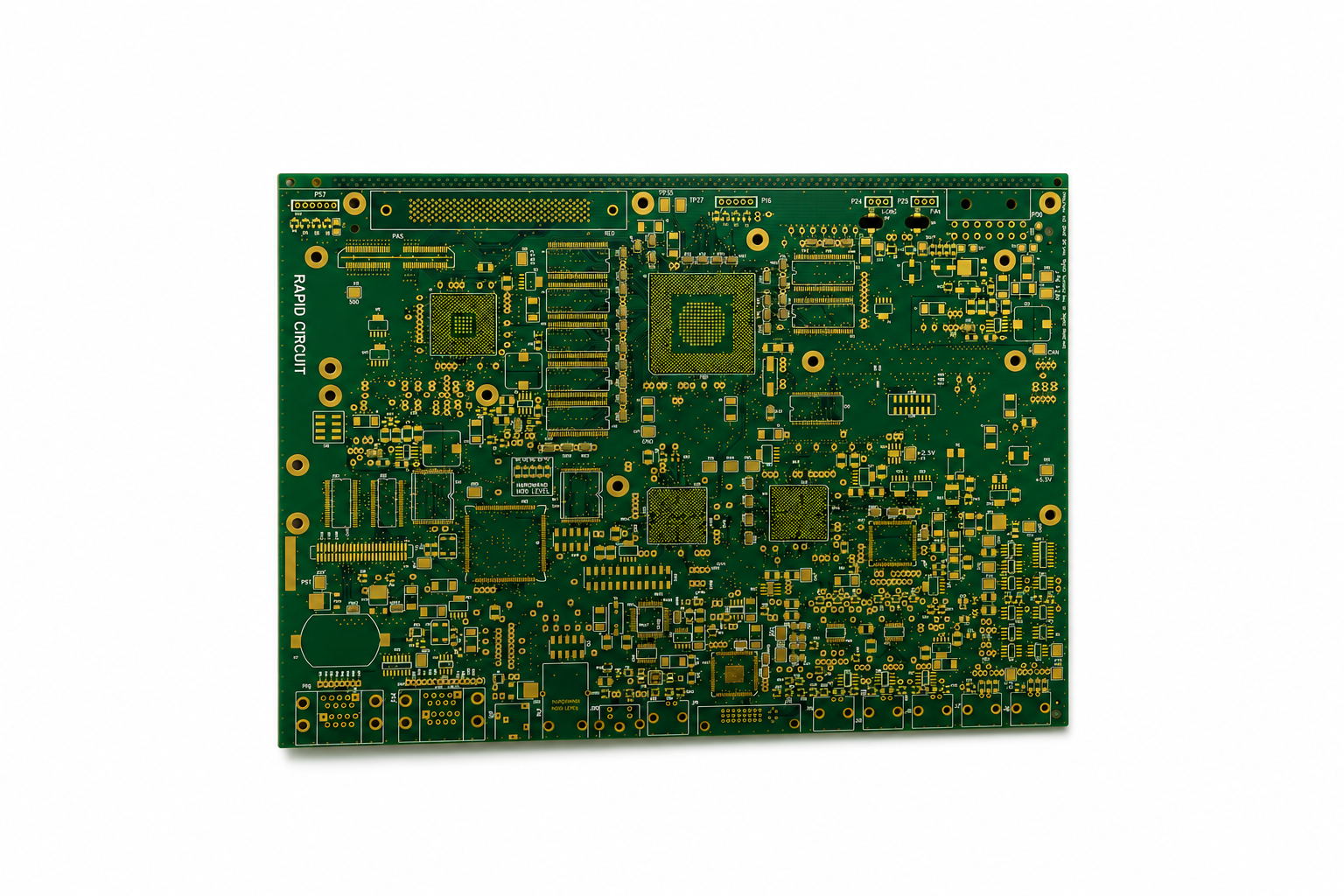
Double Layer PCB
A cost-effective PCB solution designed for simple electronic circuits with reliable performance and easy manufacturing.
- Simple circuit design
- Low-cost solution
- Best Results
Double Layer PCB Manufacturer in India
If your circuit requires higher complexity and better routing efficiency, choosing a reliable double layer PCB manufacturer is essential. At RAPID CIRCUIT, we provide precision-engineered double sided PCBs designed for OEMs, industrial applications, and high-performance electronics, ensuring consistent quality from prototype to mass production.
What is a Double Layer PCB?
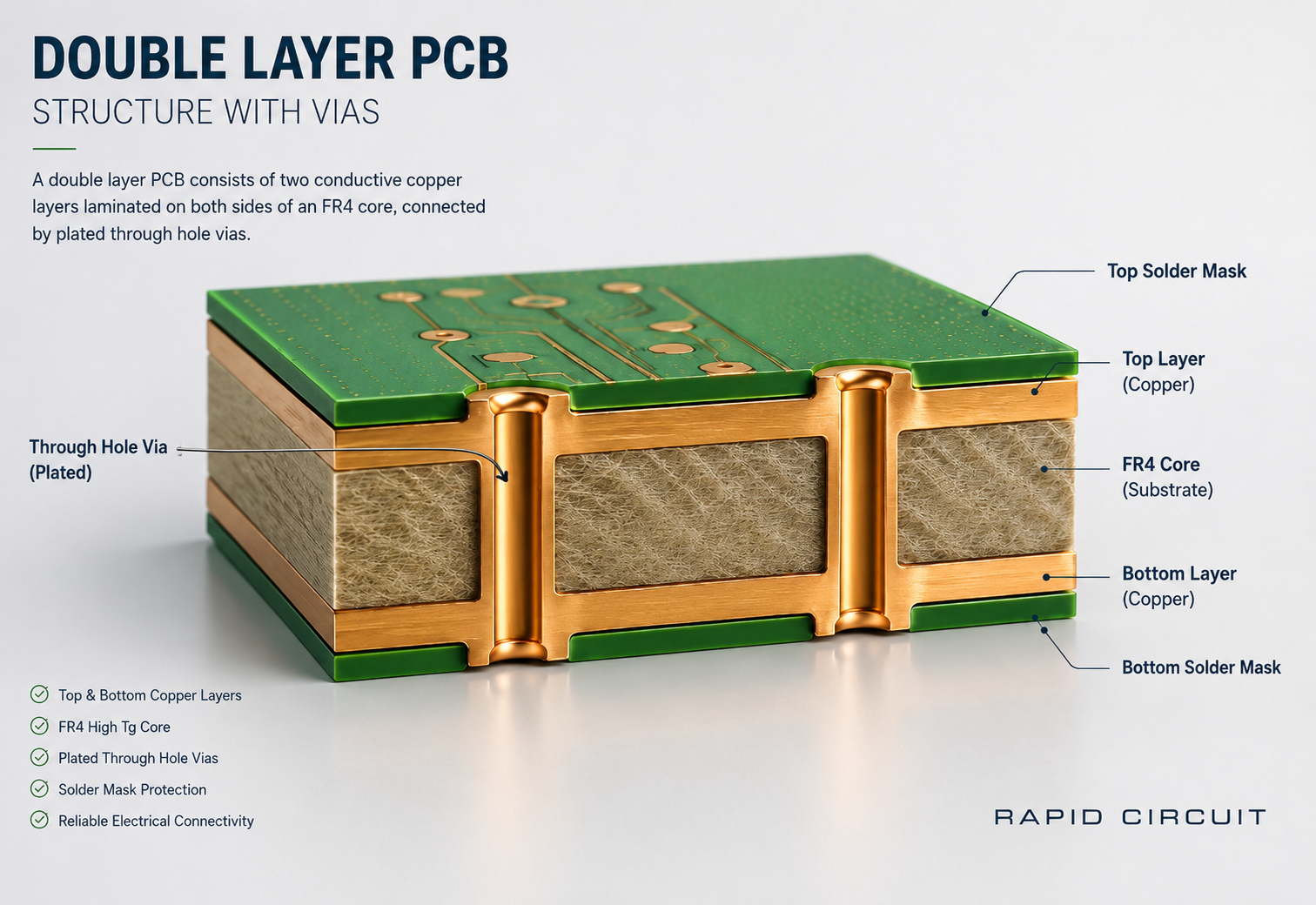
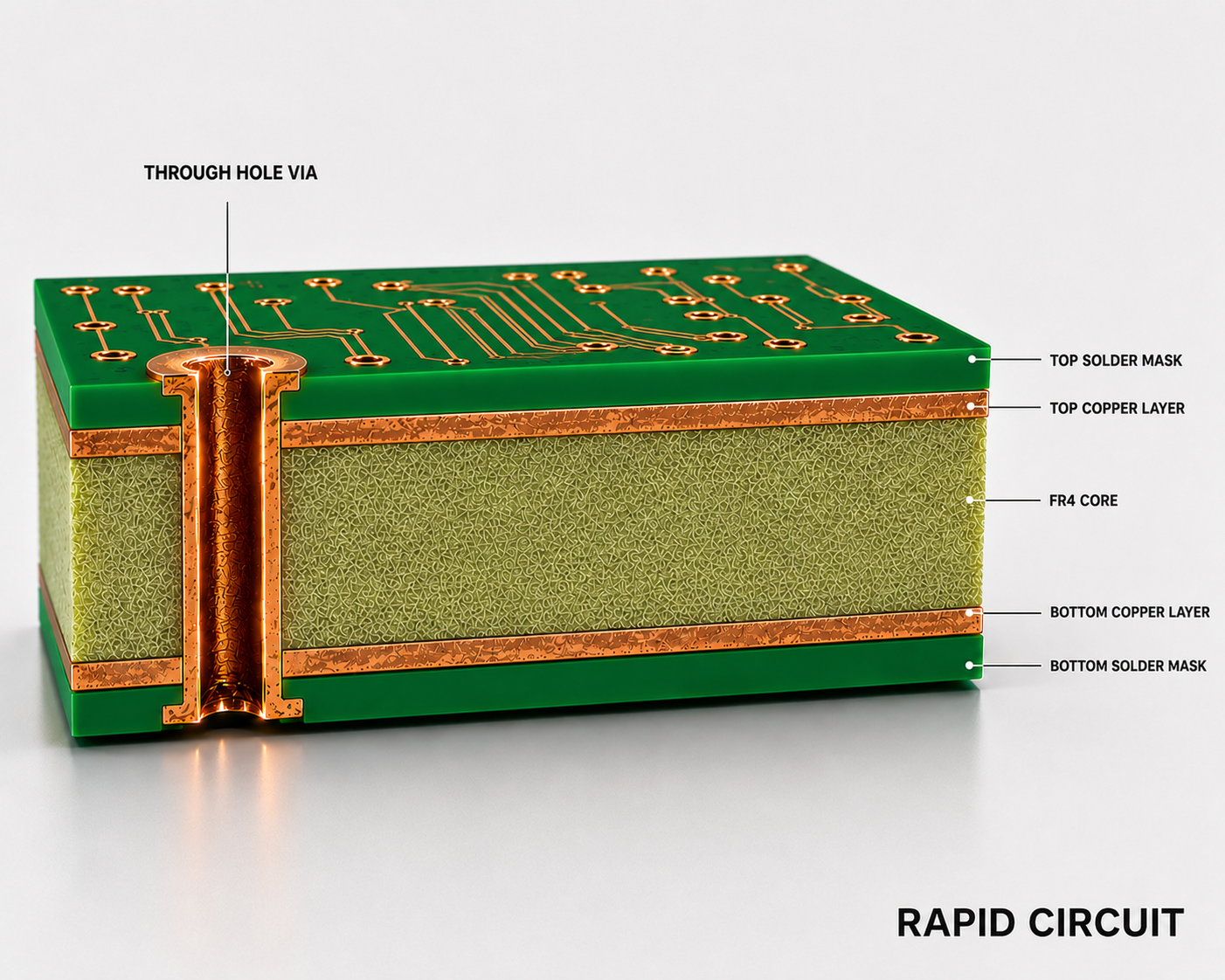
A double layer PCB, also known as a double sided PCB, has conductive copper layers on both sides of the substrate. These layers are connected through plated through holes (vias), enabling more complex circuit designs compared to single layer boards.
This structure allows better component density and improved electrical performance.
Technical Specifications of Double Layer PCB
Material
• FR4 (standard)
• High TG FR4 (for thermal stability)
• CEM-3
Board Thickness
0.8 mm to 3.2 mm
Copper Weight
• 1 oz (standard)
• 2 oz / 3 oz (heavy copper)
Surface Finish
• HASL (Sn-Pb)
• ENIG
• OSP
• Silver Finish
Minimum Track / Spacing
• 8/8 mil (standard)
• Advanced capability on request
Minimum Hole Size
• 0.3 mm
Looking for a reliable double layer PCB supplier?
Get a fast quote with expert engineering support for your project.
Manufacturing Capabilities
• Prototype to high-volume production
• Precision drilling and via plating
• Tight layer alignment control
• CAM engineering validation
• Quick turn PCB fabrication
• Export-ready packaging
Features & Benefits
- Higher circuit density than single layer PCBs
- Improved electrical connectivity
- Reduced board size
- Better signal routing flexibility
- Cost-effective compared to multilayer PCBs
Applications & Industries
Double layer PCBs are widely used in:
• Industrial automation systems
• Automotive electronics
• Power control systems
• Consumer electronics
• Telecom equipment
• Medical devices
Double Layer PCB Manufacturing Process
Step 1 : Gerber File Submission
Design files are reviewed for manufacturability.
Step 2 : CAM Processing
Engineering checks include:
• Data Import & Gerber File Verification
• Drill Data Processing (Production Hole Size Optimization)
• Design Rule Check (DRC) for Copper Layers
• Solder Mask & Silkscreen Inspection
• PCB panelization
• Copper Balancing & Thieving for Uniform Plating
• Manufacturing File Generation (Gerber & NC Drill Output)
• Final CAM Inspection & Production Approval
Step 3: Production
• Material Preparation (FR4 Copper-clad Laminate)
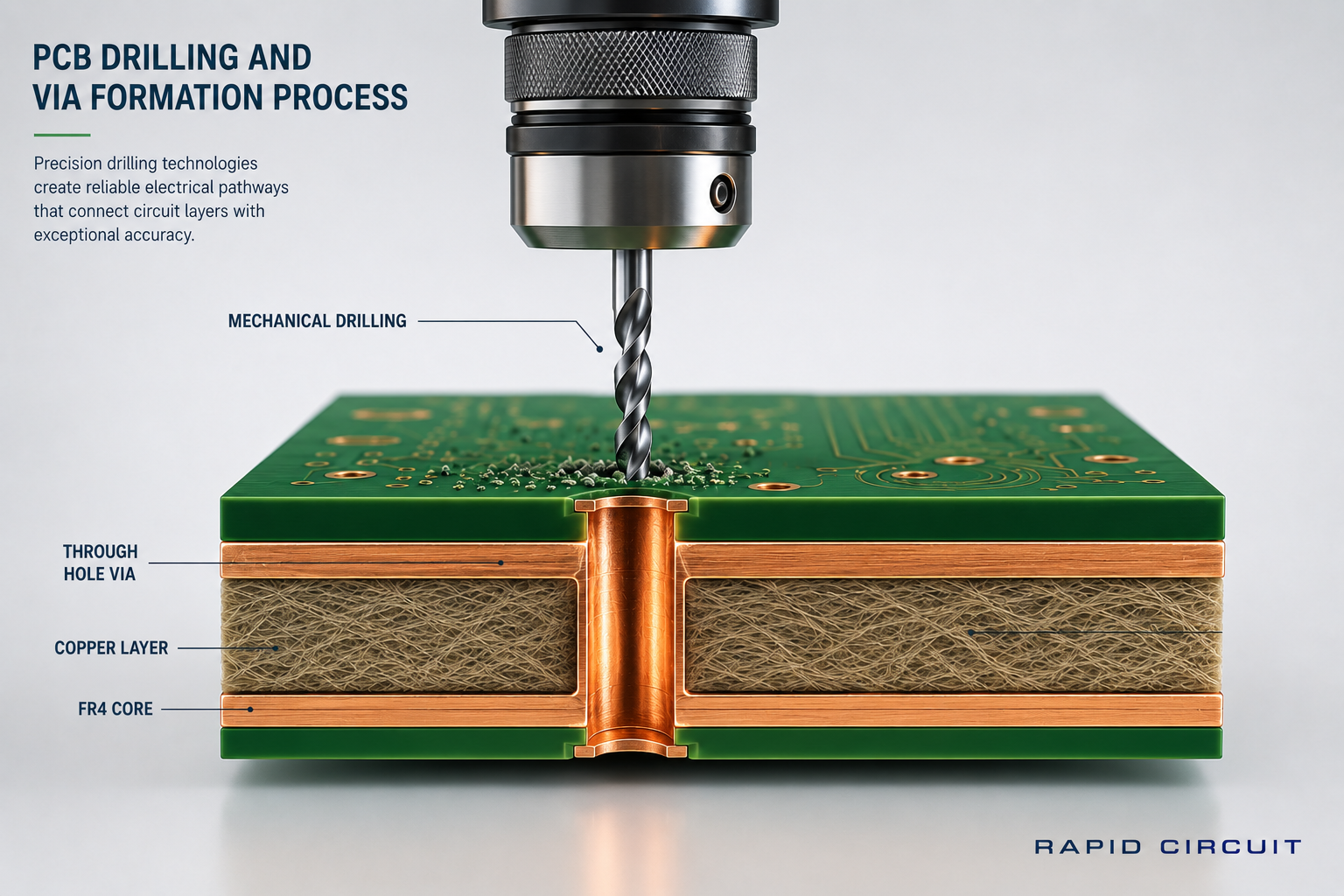
• PCB Drilling Process (Via & other PTH drilling)
• Hole Metallization – Plated Through Hole (PTH) Process
• Dry Film Photoresist Lamination
• PCB Imaging & UV Exposure Process
• PCB Developing (Photoresist Development)
• Copper Etching Process (Circuit Formation)
• Solder Mask Application (PCB Protection Layer)
• Silkscreen Printing (Legend & Component Marking)
• PCB Surface Finish (HASL, ENIG, OSP Coating)
• Electrical Testing (Continuity & Short Circuit Test)
• PCB Profiling (Routing, Cutting & V-Scoring)
• Final Inspection, Quality Control & Packaging
Step 4: Quality Control
• Visual inspection
• Dimensional accuracy checks
Step 5: Delivery
Secure packaging with global shipping.
Why Choose RAPID CIRCUIT
Pricing & Cost Factors
The cost of double layer PCB depends on:
- Board complexity
- Number of vias
- Material type
- Copper thickness
- Quantity
- Surface finish
- Lead time
Compared to single layer PCBs, double layer boards offer better performance at a slightly higher cost.
Experience
Proven expertise in PCB manufacturing for diverse industries.
Capabilities
Advanced equipment for high-precision fabrication.
Certifications
Standardized processes ensuring reliability and compliance.
Global Support
Serving clients across India and international markets.
Lead Time / Turnaround
Partner with RAPID CIRCUIT for precision double layer PCBs tailored to your requirements.
Get a fast quote for your double layer PCB requirements. Our engineering team will review your design and provide the best solution with optimized cost and lead time.
• Prototype: 3–4 days
• Small batch: 6–8 days
• Bulk production: 7–14 days
Express manufacturing available for urgent orders.
Explore Our PCB Solutions
Double Layer PCB Manufacturing Process
Professional manufacturing workflow for 2-layer printed circuit boards used in industrial electronics, automotive systems, communication devices, power supplies, consumer electronics, and advanced electronic applications.
PCB Design & Gerber File Preparation
The 2-layer PCB manufacturing process starts with PCB layout design and Gerber file generation for accurate multilayer circuit fabrication.
Double-Sided Copper Clad Laminate Cutting
Double-sided copper clad laminate materials such as FR4, High TG FR4, Rogers, and CEM materials are cut into required production panel sizes.
PCB CNC Drilling
High-precision CNC drilling machines create component holes, via holes, mounting holes, and slot openings according to PCB design data.
Hole Deburring & Surface Cleaning
PCB panels are cleaned and deburred to remove dust, oxidation, resin residue, and drilling burrs before further processing.
PTH Metallization Process
Plated Through Hole (PTH) processing deposits conductive copper inside drilled holes to establish electrical connections between top and bottom layers.
Dry Film Lamination Process
Photosensitive dry film is laminated onto both PCB copper surfaces under controlled temperature and pressure conditions.
PCB Alignment & UV Exposure
PCB artwork films are aligned accurately, and UV exposure transfers the required circuit pattern onto the photoresist layer.
PCB Developing Process
Chemical developing removes unwanted photoresist material and reveals the PCB copper circuit pattern.
Copper Electroplating Process
Additional copper plating increases copper thickness on traces and plated holes for improved conductivity and reliability.
PCB Copper Etching
Unwanted copper is removed through chemical etching, leaving only the required conductive copper circuitry.
Dry Film Stripping Process
Remaining dry film resist material is removed after the etching process to expose clean copper traces.
Solder Mask Coating Process
Protective solder mask coating is applied on both PCB layers to prevent oxidation, solder bridging, and electrical short circuits.
Silkscreen Printing Process
Component markings, polarity symbols, logos, and PCB identification details are printed on the board surface.
PCB Surface Finishing
Surface finishes such as HASL, Lead-Free HASL, ENIG, Immersion Tin, Immersion Silver, or OSP are applied for solderability and copper protection.
PCB Routing & V-Cut Process
Individual PCBs are separated from production panels using CNC routing or V-cut technology.
PCB Electrical Testing
Electrical testing verifies PCB continuity, open circuits, short circuits, and plated hole connectivity between layers.
Final Quality Inspection
Final inspection checks PCB dimensions, copper alignment, solder mask quality, drilling accuracy, and overall manufacturing standards.
PCB Packaging & Dispatch
Finished 2-layer PCBs are vacuum packed or moisture protected for safe transportation and delivery.
Manufacturing Flow
Double Layer PCB Manufacturing Process
Professional manufacturing workflow for 2-layer printed circuit boards used in industrial electronics, automotive systems, communication devices, power supplies, consumer electronics, and advanced electronic applications.
PCB Design & Gerber File Preparation
The 2-layer PCB manufacturing process starts with PCB layout design and Gerber file generation for accurate multilayer circuit fabrication.
Double-Sided Copper Clad Laminate Cutting
Double-sided copper clad laminate materials such as FR4, High TG FR4, Rogers, and CEM materials are cut into required production panel sizes.
PCB CNC Drilling
High-precision CNC drilling machines create component holes, via holes, mounting holes, and slot openings according to PCB design data.
Hole Deburring & Surface Cleaning
PCB panels are cleaned and deburred to remove dust, oxidation, resin residue, and drilling burrs before further processing.
PTH Metallization Process
Plated Through Hole (PTH) processing deposits conductive copper inside drilled holes to establish electrical connections between top and bottom layers.
Dry Film Lamination Process
Photosensitive dry film is laminated onto both PCB copper surfaces under controlled temperature and pressure conditions.
PCB Alignment & UV Exposure
PCB artwork films are aligned accurately, and UV exposure transfers the required circuit pattern onto the photoresist layer.
PCB Developing Process
Chemical developing removes unwanted photoresist material and reveals the PCB copper circuit pattern.
Copper Electroplating Process
Additional copper plating increases copper thickness on traces and plated holes for improved conductivity and reliability.
PCB Copper Etching
Unwanted copper is removed through chemical etching, leaving only the required conductive copper circuitry.
Dry Film Stripping Process
Remaining dry film resist material is removed after the etching process to expose clean copper traces.
Solder Mask Coating Process
Protective solder mask coating is applied on both PCB layers to prevent oxidation, solder bridging, and electrical short circuits.
Silkscreen Printing Process
Component markings, polarity symbols, logos, and PCB identification details are printed on the board surface.
PCB Surface Finishing
Surface finishes such as HASL, Lead-Free HASL, ENIG, Immersion Tin, Immersion Silver, or OSP are applied for solderability and copper protection.
PCB Routing & V-Cut Process
Individual PCBs are separated from production panels using CNC routing or V-cut technology.
PCB Electrical Testing
Electrical testing verifies PCB continuity, open circuits, short circuits, and plated hole connectivity between layers.
Final Quality Inspection
Final inspection checks PCB dimensions, copper alignment, solder mask quality, drilling accuracy, and overall manufacturing standards.
PCB Packaging & Dispatch
Finished 2-layer PCBs are vacuum packed or moisture protected for safe transportation and delivery.
Manufacturing Flow
Double Layer PCB Manufacturing Process
Professional manufacturing workflow for 2-layer printed circuit boards used in industrial electronics, automotive systems, communication devices, power supplies, consumer electronics, and advanced electronic applications.
PCB Design & Gerber File Preparation
The 2-layer PCB manufacturing process starts with PCB layout design and Gerber file generation for accurate multilayer circuit fabrication.
Double-Sided Copper Clad Laminate Cutting
Double-sided copper clad laminate materials such as FR4, High TG FR4, Rogers, and CEM materials are cut into required production panel sizes.
PCB CNC Drilling
High-precision CNC drilling machines create component holes, via holes, mounting holes, and slot openings according to PCB design data.
Hole Deburring & Surface Cleaning
PCB panels are cleaned and deburred to remove dust, oxidation, resin residue, and drilling burrs before further processing.
PTH Metallization Process
Plated Through Hole (PTH) processing deposits conductive copper inside drilled holes to establish electrical connections between top and bottom layers.
Dry Film Lamination Process
Photosensitive dry film is laminated onto both PCB copper surfaces under controlled temperature and pressure conditions.
PCB Alignment & UV Exposure
PCB artwork films are aligned accurately, and UV exposure transfers the required circuit pattern onto the photoresist layer.
PCB Developing Process
Chemical developing removes unwanted photoresist material and reveals the PCB copper circuit pattern.
Copper Electroplating Process
Additional copper plating increases copper thickness on traces and plated holes for improved conductivity and reliability.
PCB Copper Etching
Unwanted copper is removed through chemical etching, leaving only the required conductive copper circuitry.
Dry Film Stripping Process
Remaining dry film resist material is removed after the etching process to expose clean copper traces.
Solder Mask Coating Process
Protective solder mask coating is applied on both PCB layers to prevent oxidation, solder bridging, and electrical short circuits.
Silkscreen Printing Process
Component markings, polarity symbols, logos, and PCB identification details are printed on the board surface.
PCB Surface Finishing
Surface finishes such as HASL, Lead-Free HASL, ENIG, Immersion Tin, Immersion Silver, or OSP are applied for solderability and copper protection.
PCB Routing & V-Cut Process
Individual PCBs are separated from production panels using CNC routing or V-cut technology.
PCB Electrical Testing
Electrical testing verifies PCB continuity, open circuits, short circuits, and plated hole connectivity between layers.
Final Quality Inspection
Final inspection checks PCB dimensions, copper alignment, solder mask quality, drilling accuracy, and overall manufacturing standards.
PCB Packaging & Dispatch
Finished 2-layer PCBs are vacuum packed or moisture protected for safe transportation and delivery.
Manufacturing Flow
FAQ
What is a Double Layer PCB used for?
It is used in circuits requiring higher complexity, such as industrial systems, automotive
electronics, and telecom devices.
What is the difference between single and double layer PCB?
Single layer PCBs have one conductive layer, while double layer PCBs have two layers
connected through vias, allowing more complex designs.
What is the cost of double layer PCB manufacturing?
Costs vary based on complexity, materials, and quantity. Double layer PCBs are slightly
more expensive than single layer but offer better performance.
How long does fabrication take?
Prototype production typically takes 2–4 days, while bulk production may take up to 14 days.
What materials are used?
FR4 is the most common material, with high TG and aluminum options available.
Can I order prototype boards?
Yes, prototype orders are supported before moving to mass production.
Do you provide global shipping?
Yes, PCBs are delivered worldwide with secure packaging.